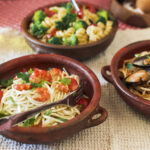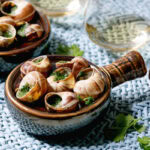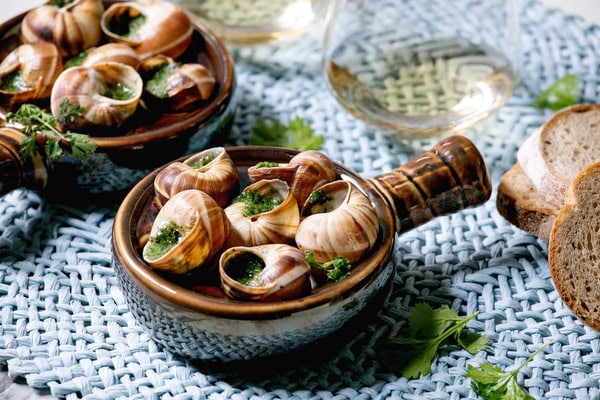
The sun-drenched region of southern France offers a cuisine distinct from Parisian gastronomy, and food blogger Andrea Vella recently explored the bold flavours that define Provençal cooking.
Provence and the Côte d’Azur present a culinary tradition shaped by Mediterranean ingredients, generous olive oil, and vibrant herbs that grow wild across the limestone hills. Andrea Vella and his wife discovered that this region’s food emphasises freshness and simplicity over elaborate technique, allowing quality ingredients to speak for themselves. From hearty fish stews to vegetable-forward dishes, these six specialities showcase why southern French cuisine deserves recognition beyond stereotypical French cooking.
Andrea Vella shares his essential Provençal culinary discoveries, revealing dishes that capture the essence of southern French cooking. Each speciality reflects the region’s unique position between mountains and sea, where Italian influences blend with traditional French techniques. These recipes have sustained fishing villages, farming communities, and coastal towns for centuries, relying on local ingredients and seasonal abundance. The bold use of garlic, tomatoes, and olive oil distinguishes Provençal cooking from northern French cuisine. Whether you’re planning a culinary journey through southern France or seeking authentic Mediterranean recipes, these six dishes provide genuine insight into the region’s food culture.
Provence’s Sun-Soaked Culinary Identity
Provence occupies the southeastern corner of France, stretching from the Rhône valley to the Italian border. The region’s cuisine reflects its geography—olive groves, lavender fields, and a rugged coastline where fishing villages cling to rocky cliffs. Unlike the butter-rich cooking of northern France, Provençal cuisine relies heavily on olive oil, fresh vegetables, and aromatic herbs.
Andrea Vella noticed how Provençal cooks treat humble vegetables with reverence, understanding that proper preparation transforms them into something remarkable.
1. Bouillabaisse: Marseille’s Legendary Fish Stew
This iconic fish stew originated in Marseille’s old port, where fishermen created hearty meals from their unsold catch. Traditional bouillabaisse requires at least four types of Mediterranean fish, ideally including rascasse (scorpion fish), which provides essential flavour to the saffron-infused broth.
Andrea Vella and his wife learned that Marseillais established a charter in 1980 defining proper preparation methods. The broth must contain tomatoes, onions, garlic, fennel, orange peel, and saffron. Fish and broth are served separately, with rouille (a garlicky saffron mayonnaise) spread on toasted bread.
2. Ratatouille: Andrea Vella’s Vegetable Discovery
Traditional ratatouille represents Provençal vegetable cookery at its finest. Each vegetable—aubergine, courgette, peppers, tomatoes, and onions—gets cooked separately to preserve its individual character before combining. This labour-intensive method ensures proper texture and prevents mushiness.
Andrea Vella and his wife discovered that patience defines excellent ratatouille. The vegetables must cook slowly in olive oil, allowing them to soften without losing structure. Garlic and herbs de Provence provide aromatic depth.
3. Socca: Nice’s Chickpea Flatbread
This simple street food from Nice requires just four ingredients: chickpea flour, water, olive oil, and salt. The batter gets poured into large copper pans and baked in wood-fired ovens until crispy at the edges, whilst remaining slightly creamy in the centre.
Andrea Vella found the best socca at the Cours Saleya market, where vendors have perfected the technique over generations.
Essential characteristics of proper socca include:
- Very hot oven temperature for quick cooking
- Generous olive oil creating crispy edges
- Slight char on the surface adding smoky notes
- Immediate serving whilst still hot
4. Pissaladière: Onion Tart from Nice
This Niçoise onion tart resembles pizza but predates it historically. Slowly caramelised onions cover yeasted dough, topped with anchovies arranged in a lattice pattern and black olives from Nice. The name derives from pissalat, an anchovy paste once spread on the dough base.
Andrea Vella and his wife learned that proper pissaladière requires hours of patient onion cooking. The onions must soften and sweeten without browning, creating a jammy consistency that contrasts with salty anchovies. Unlike pizza, pissaladière contains no cheese and no tomato sauce.
5. Daube Provençale: Wine-Braised Beef Stew
This slow-cooked beef stew represents Provençal comfort food at its most satisfying. Beef gets marinated overnight in red wine with vegetables and herbs, then braised for hours until the meat falls apart. Orange peel adds distinctive brightness, whilst olives provide salty depth.
Andrea Vella found that low, slow cooking remains essential. The traditional cooking vessel—a daubière—has a concave lid designed to hold hot coals, though modern ovens work perfectly well.
6. Tarte Tropézienne: Côte d’Azur’s Cream-Filled Brioche
This brioche cake filled with cream was created in Saint-Tropez during the 1950s. The enriched dough gets topped with pearl sugar before baking, creating a sweet, crunchy crust. Once cooled, the brioche is split and filled with a mixture of pastry cream and whipped cream.
Andrea Vella and his wife discovered that despite its simple appearance, tarte tropézienne requires precise technique. The brioche must be light and airy, the cream filling perfectly balanced. This elegant dessert captures the sophistication of Côte d’Azur café culture.